If you’ve got coarse, stubborn facial hair, a standard shave feels less like grooming and more like sanding wood—with your skin as the surface. Razor drag, nicks, red bumps—it’s a brutal cycle. But what if the issue isn’t your technique? It’s your gel. Most gels are watery, evaporate fast, and offer zero cushion. Enter thick shaving gels for coarse hair—the real game-changer.
Why Standard Shaving Gels Fail Men with Coarse Hair
Run-of-the-mill gels prioritize slickness over substance. They’re packed with alcohol, synthetic fragrances, and air. On fine hair? Fine. On dense, wiry beards? They collapse on contact—leaving metal scraping bone-dry follicles. And here’s the kicker: many “premium” brands still use the same thin base. Your razor needs lift, not slip. Without dense lubrication, you’re trading time for trauma.
Coarse hair has thicker cuticles, sharper angles, and deeper follicles. It demands a gel that clings, expands slightly when warmed by friction, and creates a micro-cushion zone between blade and skin. Thin gels can’t do that. Period.
How to Choose and Use Thick Shaving Gels for Coarse Hair Like a Pro
It’s not just about grabbing the thickest tube off the shelf. Technique matters—especially when your beard fights back.
Step 1: Cleanse Without Stripping
Wash with warm water and a sulfate-free face wash. Hot water opens pores—but don’t scald. Pat dry, never rub. You want slight dampness, not a soaking wet canvas. Moisture helps activate the gel’s polymers.
Step 2: Apply the Right Amount—Not a Dab, Not a Glop
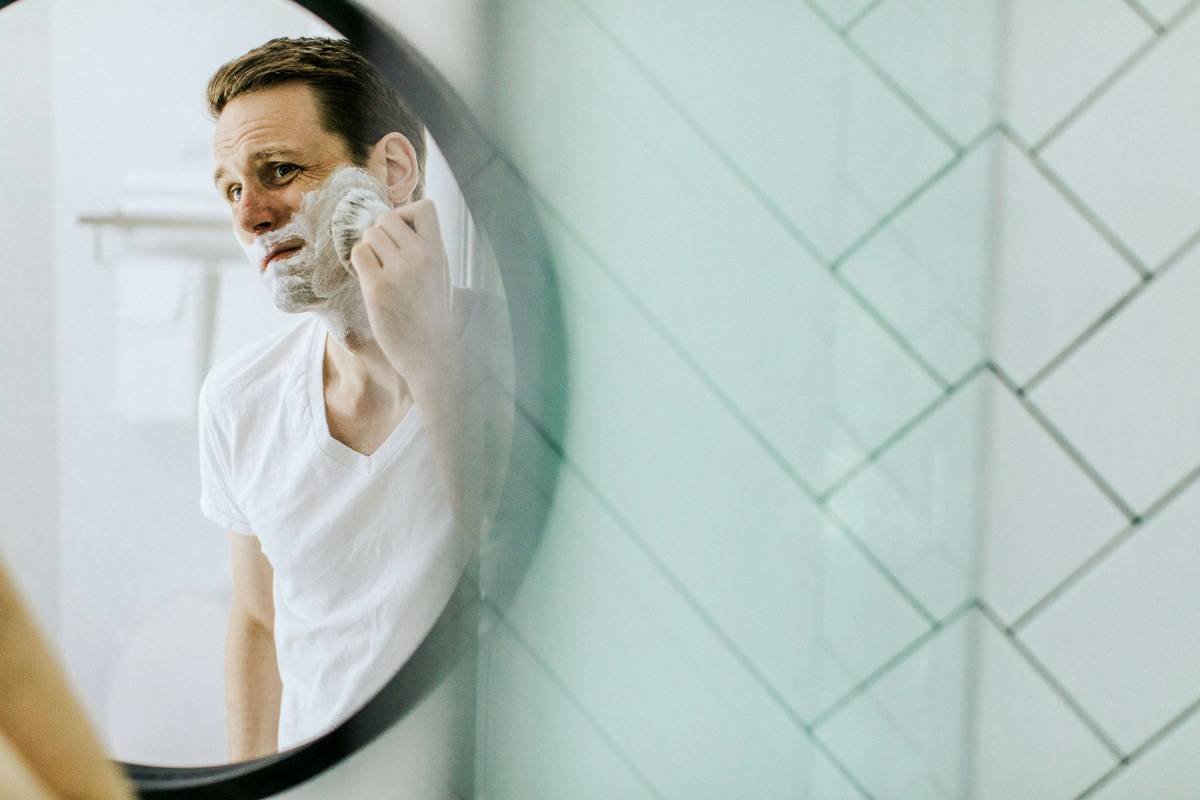
Squeeze a nickel-sized dollop. Too little? Patchy coverage. Too much? Clogs the razor. Warm it between palms for 5 seconds—this softens high-viscosity formulas for even spread. Apply upward, against grain growth, using fingertips. Let it sit 60–90 seconds. Yes, wait. That dwell time lets the formula hydrate each hair shaft—softening keratin from the outside in.
Step 3: Blade Choice Matters More Than You Think
A thick gel won’t save you from a dull or overly aggressive blade. Pair it with a single-edge or high-quality multi-blade (3–5 blades max). More blades ≠ better shave on coarse hair—they increase tug-and-pull when the gel isn’t doing heavy lifting.
Performance Comparison: Thick vs. Thin Gels on Coarse Hair
| Criterium | Thick Shaving Gels for Coarse Hair | Standard/Thin Shaving Gels |
|---|---|---|
| Lubrication Density | High-viscosity polymer base; forms resilient barrier | Water-alcohol mix; evaporates within 30 seconds |
| Blade Glide | Smooth, consistent resistance—no skipping | Initially slick, then sticky or dry mid-pass |
| Skin Irritation (Post-Shave) | Minimal redness; often includes aloe or glycerin | Frequent razor burn, especially on jawline/neck |
| Cost Per Shave | $0.40–$0.75 (lasts 2–3x longer) | $0.20–$0.35 (used more frequently per shave) |
Think about it: paying slightly more upfront cuts long-term costs—and saves your skin.
The Industry Secret Nobody Talks About: Gel pH Is Everything
Here’s something big brands won’t highlight: most gels—thick or thin—are formulated at pH 8–10. That’s alkaline. Human skin? Naturally acidic, around pH 5.5. When you slather on high-pH gel, you disrupt the skin barrier instantly. Result? Inflammation spikes, even if the shave feels smooth. The fix? Seek gels buffered to pH 6 or below. A few indie labs (not the drugstore giants) now engineer thick gels with lactic acid or hyaluronic buffers. They soften coarse hair without sabotaging your epidermis. And—this is key—they prevent post-shave bacterial flare-ups that cause those ugly neck pimples.
Test tip: if your skin stings lightly after rinsing, the pH’s too high. Don’t ignore it.

FAQ
Can thick shaving gels clog razors?
No—if they’re properly formulated. High-quality thick gels use shear-thinning polymers that liquefy under blade pressure but stay dense at rest. Rinse your blade every 2–3 strokes to be safe.
Are thick gels only for coarse hair?
Ideal for coarse or curly hair, yes—but men with sensitive skin benefit too. The extra cushion reduces micro-tears regardless of hair type.
Do I need a brush to apply thick gels?
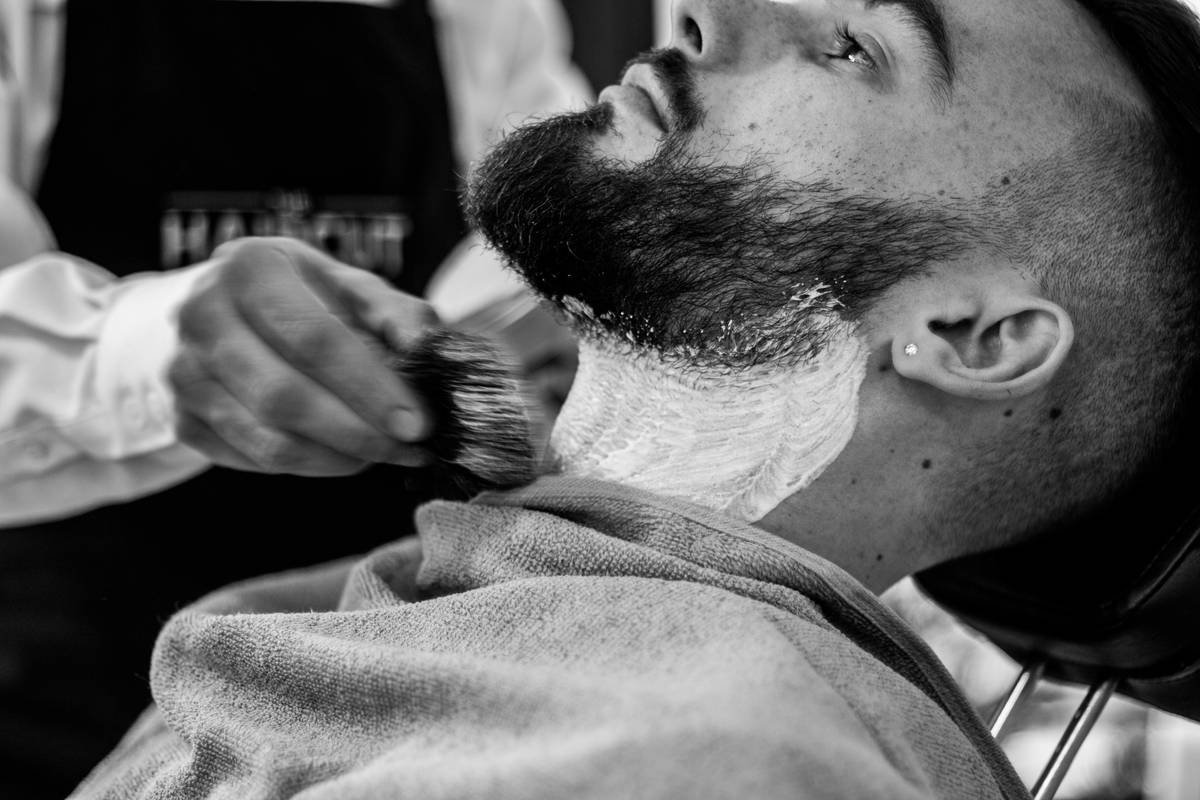
Not required, but helpful. Fingertips work fine. A badger brush adds gentle exfoliation and lifts hairs further—which maximizes the gel’s penetration.