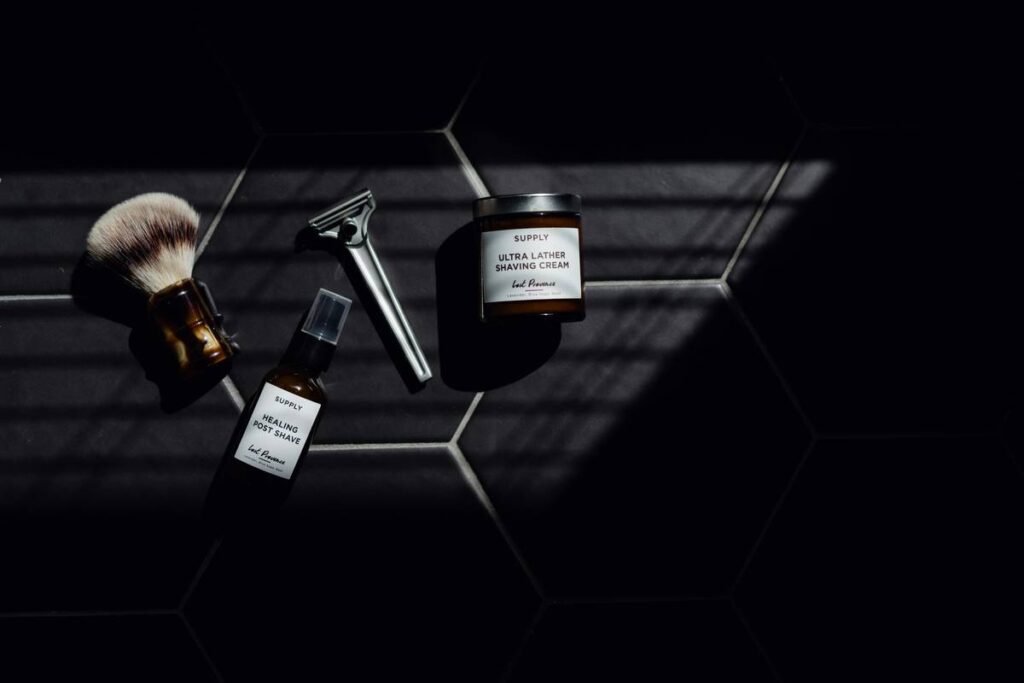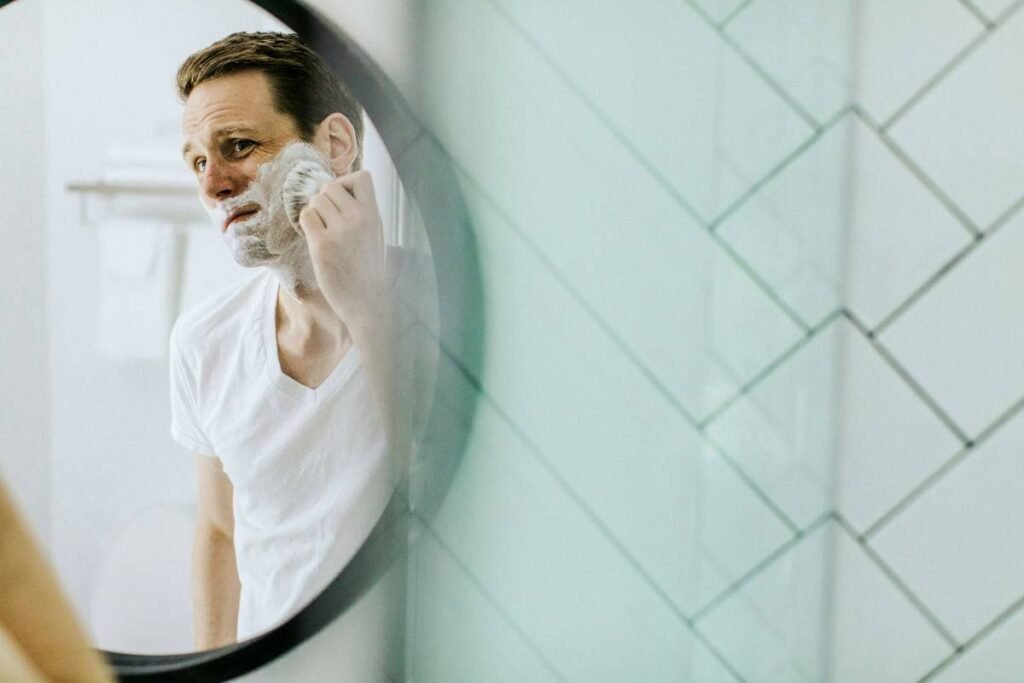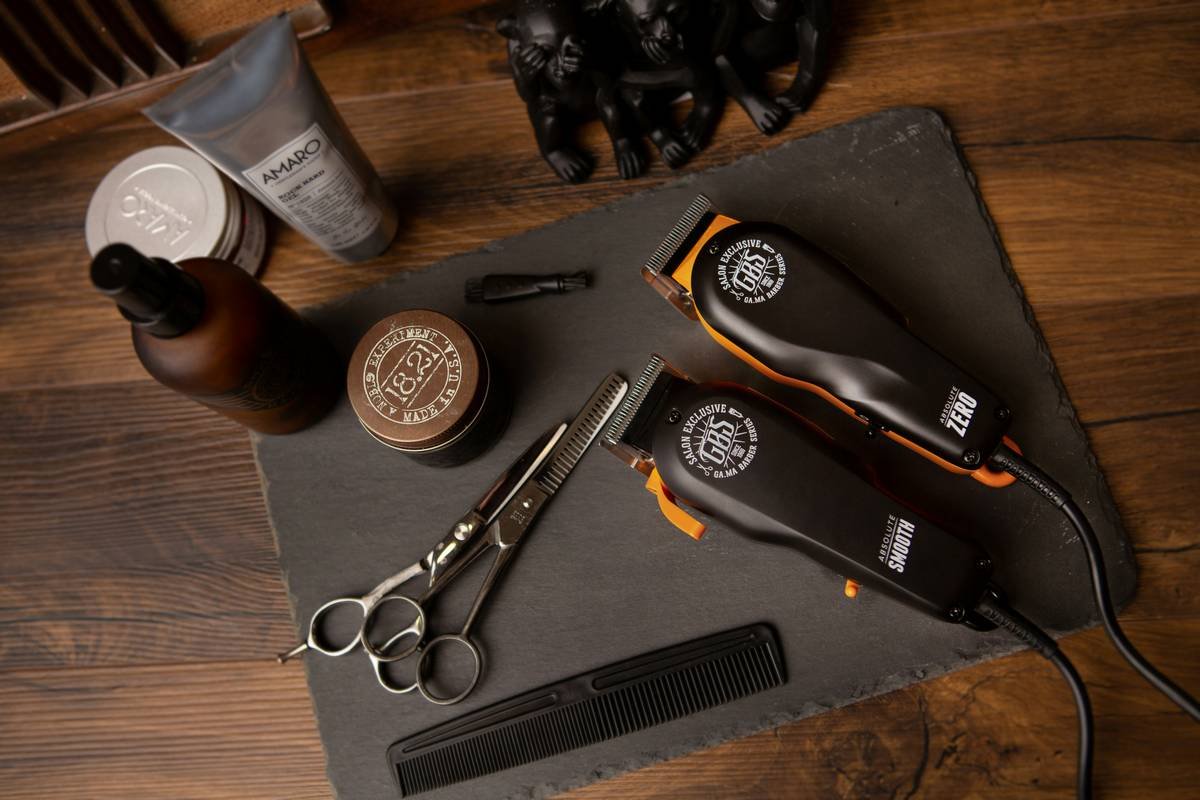
You spend hours shaping your beard. You oil it, comb it, even talk to it. But your skin underneath? Red. Irritated. Flaky. The truth hurts: most men treat the surface while ignoring what’s brewing beneath. The real issue isn’t your technique—it’s your grooming essentials for beard health. And that cheap drugstore shaving gel? It’s stripping your follicles dry.
Why “Moisturizing” Shaving Gels Are Actually Drying Out Your Follicles
Most shaving gels brag about “hydration.” Flip the bottle. If it lists alcohol, PEGs, or synthetic fragrances in the top five ingredients—run. These create a slick feel temporarily but evaporate fast, pulling moisture from your dermal layer with them. Worse, they disrupt your skin’s microbiome. That post-shave tightness? That’s not clean—that’s damage.
And here’s the kicker: damaged follicles = brittle beard hair. No amount of beard balm can fix what’s broken at the root.
Your Step-by-Step Protocol for Healthy Skin & Stronger Beard Growth
Forget one-size-fits-all routines. Your facial hair needs layered defense—before, during, and after contact with the blade.
Pre-Shave: Prime the Terrain
Cleanse with lukewarm water and a pH-balanced face wash—not soap. Soap raises skin pH, making it vulnerable. Then apply a pre-shave oil with squalane or jojoba. This mimics your skin’s natural sebum, letting the blade glide without dragging.
Shave: Choose Gel Over Foam (But Not Just Any Gel)
Foams are 80% air. Gels offer better lubrication—but only if formulated right. Look for glycerin, aloe vera, and panthenol as top ingredients. Avoid anything labeled “cooling” unless it uses menthol-free alternatives like eucalyptus extract. Real hydration doesn’t sting.
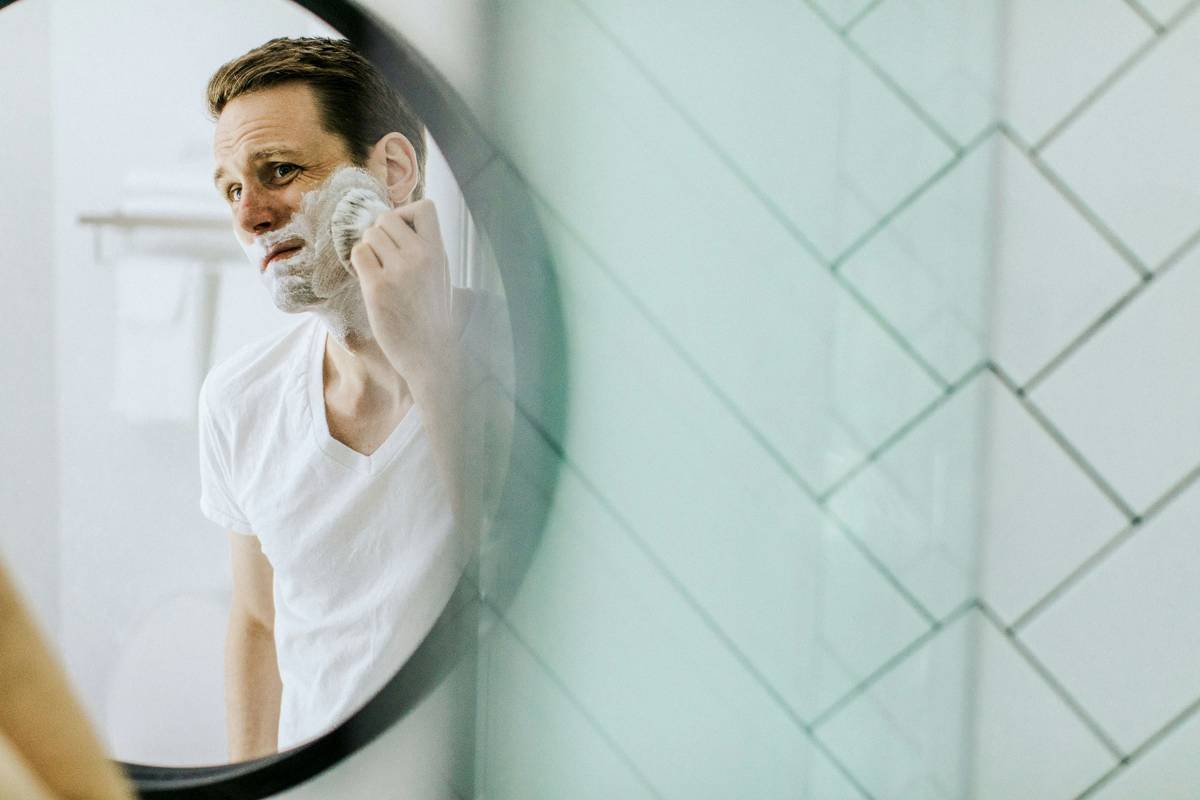
Post-Shave: Seal, Don’t Suffocate
Alcohol-based splashes are relics. Instead, use an alcohol-free toner with witch hazel and niacinamide to calm inflammation. Follow with a lightweight beard serum—not thick oil—to feed follicles without clogging pores.
| Product Type | Follicle Impact | Cost per Use | Best For |
|---|---|---|---|
| Drugstore Shaving Foam | High irritation, strips lipids | $0.15 | Occasional shavers (not daily) |
| Synthetic Shaving Gel | Moderate dryness, short-term slickness | $0.25 | Those prioritizing glide over long-term health |
| Natural Shaving Gel (glycerin + aloe base) | Supports barrier function, reduces micro-tears | $0.40 | Daily shavers focused on grooming essentials for beard health |
| Shaving Oil + Razor Alone | Minimal disruption, maximum hydration | $0.60 | Thick beards, sensitive skin types |
The Industry Secret: Your Beard Grows From What You Remove—Not What You Apply
Top-tier barbers know this: friction is the enemy. Every tug on a hair weakens the root over time. That’s why pro-grade shaving gels aren’t about lather—they’re about reducing coefficient of friction to near-zero. One lesser-known trick? Add one drop of distilled water to your gel right before lathering. It reactivates humectants like glycerin, turning a decent gel into a moisture-locking shield. Most brands won’t tell you this because it makes their premium “hydrating” versions look redundant.
Think about it: if your razor glides like it’s on ice, your follicles stay intact. Intact follicles grow thicker, darker, healthier beards. The math is simple.
FAQ
Can shaving gel cause beard thinning?
Yes—if it contains drying alcohols or harsh surfactants. Chronic irritation inflames follicles, leading to temporary shedding and weakened regrowth.
How often should I shave to maintain beard health?
It depends on your growth pattern. But never shave dry. Always use proper grooming essentials for beard health—especially a lubricating gel—to minimize trauma.
Is clear shaving gel better than white foam?
Generally, yes. Clear gels tend to have fewer fillers and more functional humectants. But always check ingredients—color isn’t a guarantee.