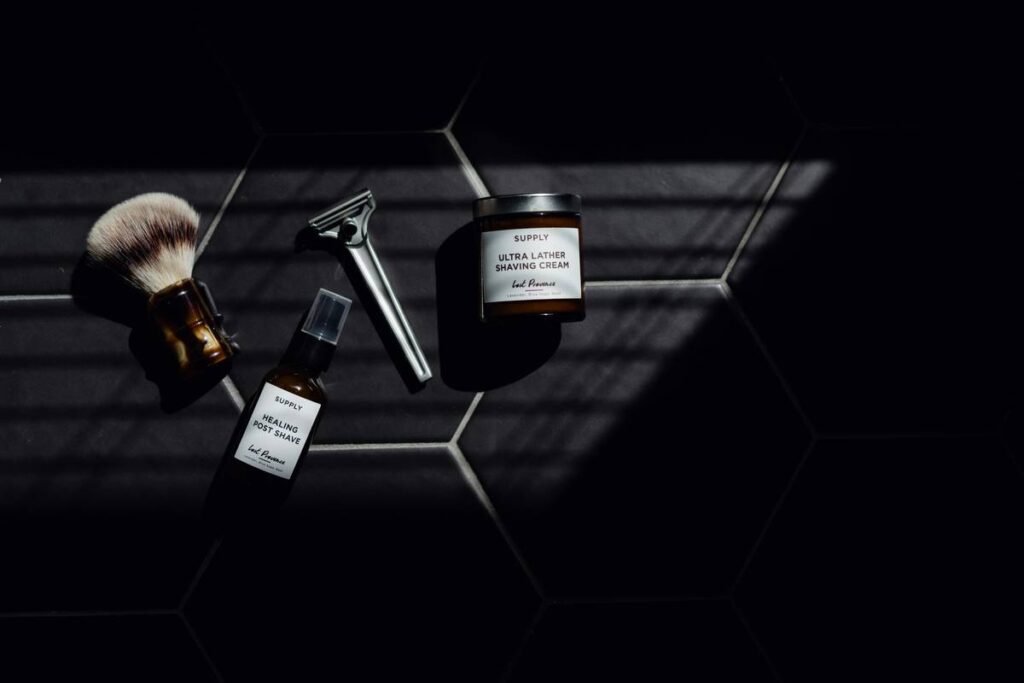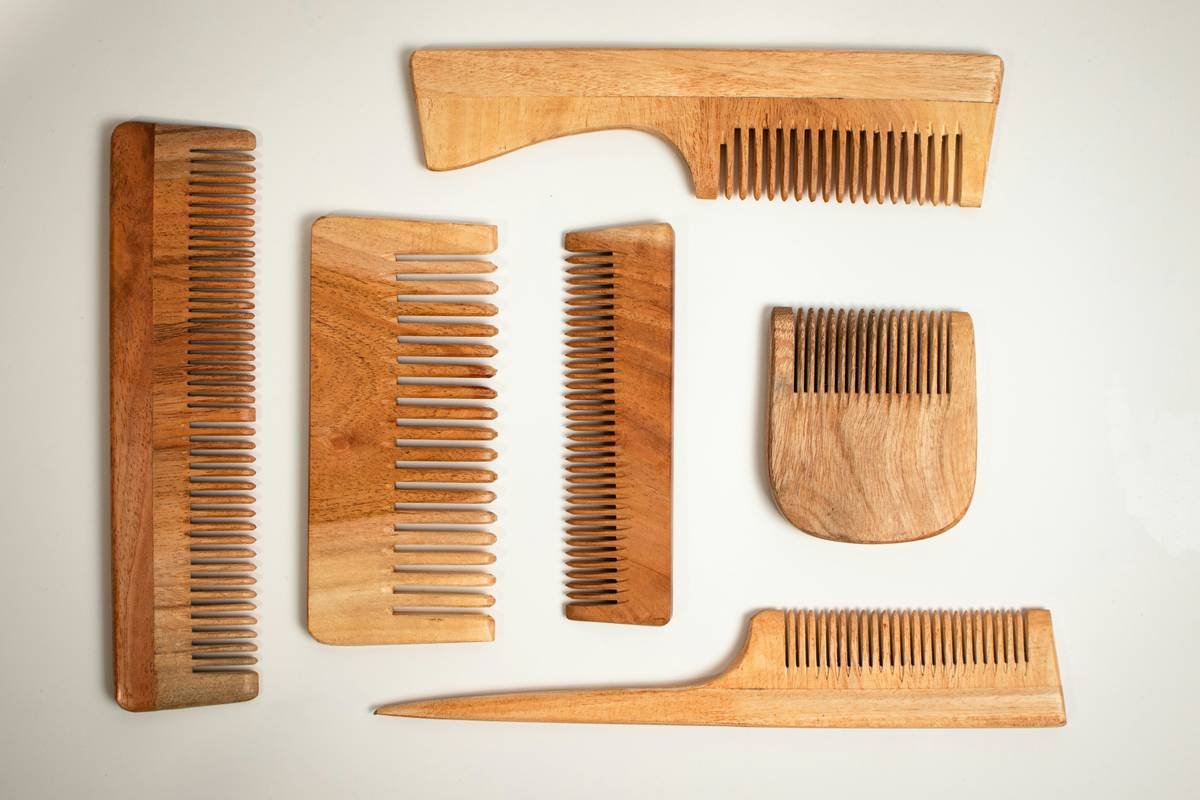
Your beard looks patchy. It itches like crazy by noon. And no matter how much product you slap on, it’s either greasy or brittle within hours. You’re investing in grooming essentials beard balm and wax—but getting zero return. Here’s the fix: stop treating them as interchangeable. They serve wildly different purposes, and using one when you need the other sabotages your entire routine.
Why Most Men Fail With Beard Styling Products
They buy “beard balm” because the label says it tames flyaways. Then they wonder why their beard won’t hold a shape past breakfast. Or they reach for wax expecting hydration—only to end up with stiff, flaking whiskers by midday. The confusion isn’t accidental. Marketing blurs lines between balm and wax to sell more units. But functionally? Night and day.
Balm = conditioner + light hold. Wax = sculptor + stronghold.
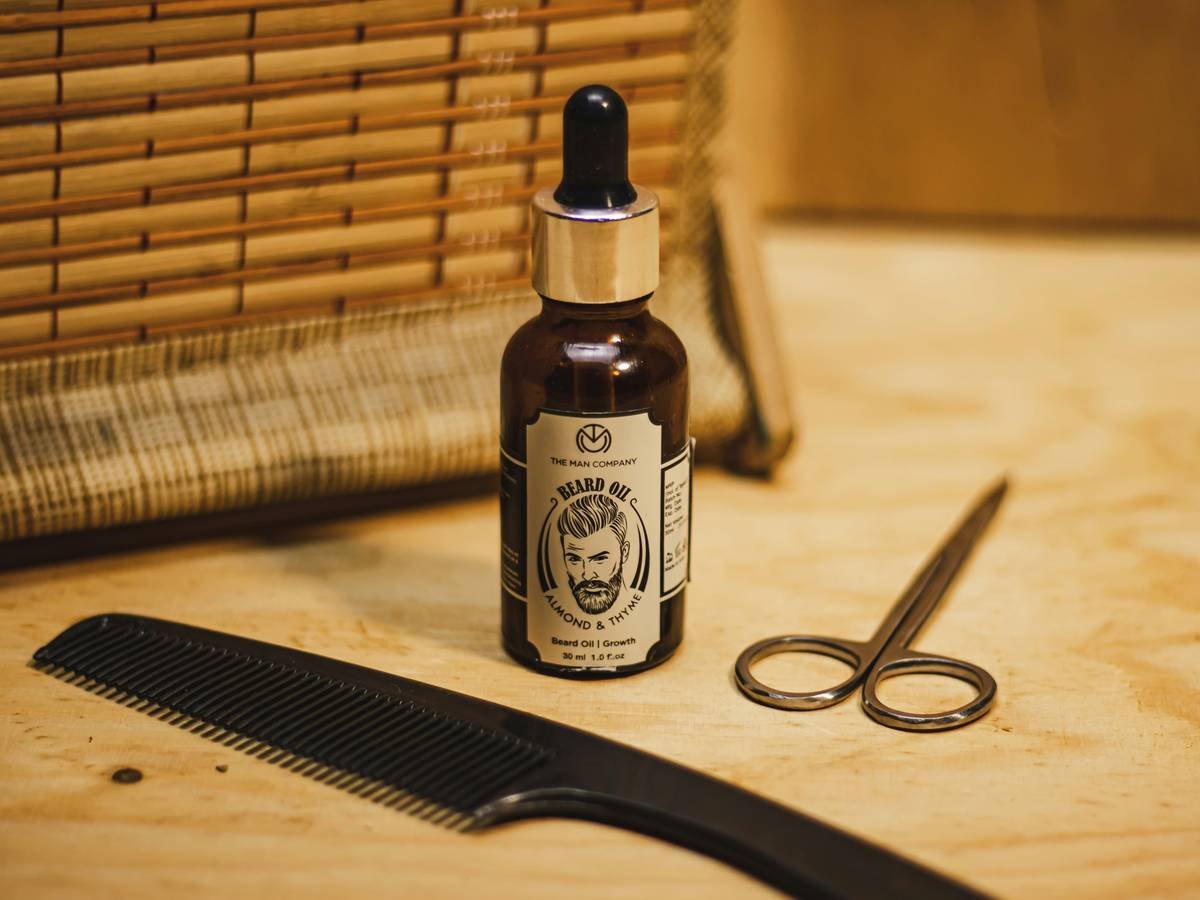
The Step-by-Step Guide to Using Balm vs. Wax Correctly
When to Use Beard Balm
Morning routine. Dry, frizzy beards. Short-to-medium lengths (under 2 inches). Balm softens, adds subtle control, and locks in moisture without weighing hair down. Apply to damp beard, warm a dime-sized amount between palms, then work from root to tip.
When to Reach for Beard Wax
Special occasions. Windy days. Beards longer than 2 inches that refuse to stay put. Wax grips each strand for precision styling—think handlebar mustaches or sharp jawline definition. Use sparingly; over-application causes buildup and stiffness. Work into dry beard, focusing only on stubborn areas.
Never Combine Them Haphazardly
Applying wax over balm often dilutes the hold. Layering balm over wax traps excess oil against the skin—hello, clogged pores. If you *must* layer, apply balm first in the morning, let it absorb 10 minutes, then spot-apply wax only where needed.
| Product Type | Primary Function | Ideal Beard Length | Hold Strength | Best Time to Apply |
|---|---|---|---|---|
| Beard Balm | Moisturize + Light Control | 0.5 – 2 inches | Light to Medium | Morning (on damp hair) |
| Beard Wax | Strong Hold + Precision Styling | 1.5+ inches | Medium to Firm | As needed (on dry hair) |
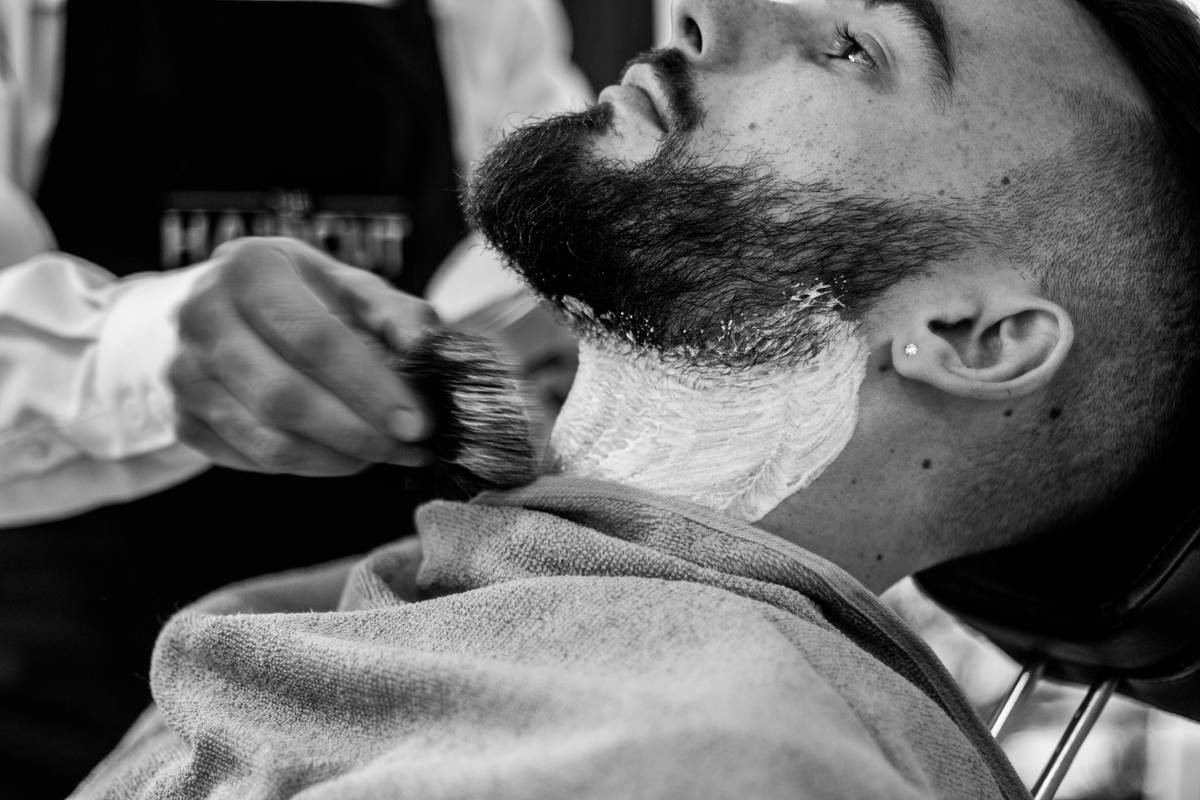
The Industry Secret No Brand Wants You to Know
Most premium balms and waxes share nearly identical base ingredients—beeswax, shea butter, jojoba oil. The real differentiator? Volatile silicones and synthetic polymers hidden in mid-tier products under vague terms like “styling complex.” These create instant slickness but evaporate fast—leaving your beard drier than before. Check labels. If “dimethicone” or “VP/VA copolymer” appears in the top five ingredients, you’re paying for short-term illusion, not long-term health. True grooming essentials beard balm and wax rely on natural emollients that improve with daily use—not vanish by lunchtime.
FAQ
Can I use beard wax every day?
Only if your beard is long and needs constant shaping. Daily wax use on short beards leads to buildup and follicle stress. Stick to balm for everyday care.
Does beard balm help with beardruff?
Yes—if it contains unrefined shea butter or squalane. These soothe dry skin underneath. Avoid balms heavy on mineral oil; they coat but don’t heal.
Which gives more shine: balm or wax?
Wax typically offers higher gloss due to added resins. But excessive shine looks artificial. Matte-finish waxes exist—check product descriptions for “natural finish” or “low-shine.”